
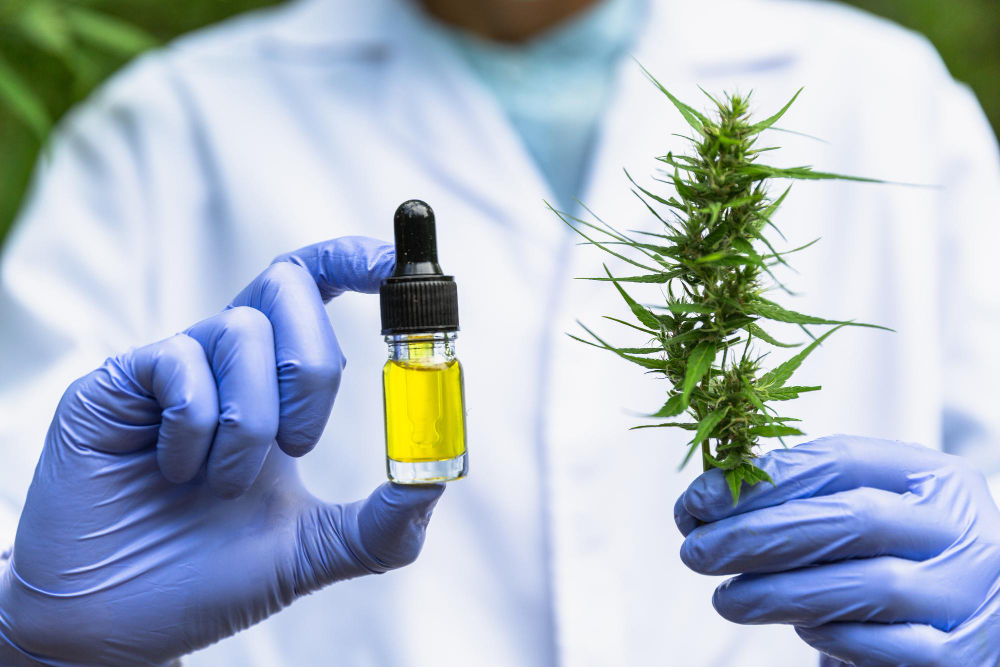
Bold new research out of Johns Hopkins University is giving us a clearer picture of how THC and CBD work together inside the human body. For years, both consumers and cannabis professionals have wondered: do these cannabinoids amplify each other, balance one another out, or work in totally separate ways?
The recently released study from Johns Hopkins University provides important answers. This landmark research, available in full here: Johns Hopkins THC + CBD Study (PDF), explores how controlled doses of Delta-9 THC and CBD interact when taken separately and in combination. The results have broad implications for medical use, wellness routines, and consumer safety.
The cannabis industry is full of anecdotal claims about the so-called “entourage effect,” where cannabinoids supposedly enhance each other’s impact. Until recently, very few large-scale clinical studies were published to test this theory.
Johns Hopkins, one of the nation’s most respected research institutions, conducted this double-blind, placebo-controlled trial to measure:
With the rapid rise of hemp-derived Delta-9 products in the CBD market, these insights arrive at a critical moment. Consumers want to know whether combining cannabinoids is safe, effective, and predictable.
The research team recruited nearly 100 healthy adult volunteers with prior cannabis experience. Over multiple sessions, each participant received controlled oral doses under supervision. The study included:
Throughout the sessions, researchers measured blood plasma levels, subjective questionnaires, cognitive testing, and motor coordination tasks. This multi-angle approach makes the findings especially reliable.
One of the biggest takeaways is that CBD does not cancel out THC’s psychoactive effects. Participants who took THC with CBD reported similar levels of intoxication to those who took THC alone.
This challenges a long-held assumption in the cannabis community that CBD “softens” the high. While some users may feel subtle differences, the study shows no significant reduction in impairment or intoxication.
While CBD didn’t reduce intoxication, it did appear to slightly extend the duration of THC’s subjective effects. Researchers found that blood plasma levels of THC stayed elevated longer when CBD was present.
This means combining CBD and THC could make the experience feel smoother but also last longer — something consumers should factor into dosing decisions.
A common belief is that CBD reduces anxiety triggered by THC. The Johns Hopkins study paints a more nuanced picture:
In other words, CBD is not a guaranteed safeguard against THC-induced anxiety, though individual differences may play a role.
Both THC alone and THC + CBD produced measurable impairments in memory, reaction time, and motor coordination. CBD did not reduce these impairments.
This is especially important for public safety messaging: people should not drive or operate machinery after consuming THC products, regardless of CBD content.
When participants received CBD alone (300 mg), most reported minimal subjective effects. Some experienced mild relaxation, but there were no significant impairments in cognitive or motor tasks.
This supports CBD’s reputation as a non-intoxicating compound when taken without THC.
The results of this study offer valuable guidance for everyday users:
For medical patients and wellness consumers, this means dosing strategy matters more than cannabinoid pairing. Choosing the right amount is more important than assuming CBD will offset THC’s stronger effects.
This Johns Hopkins research has big consequences for brands, retailers, and consumers in the CBD/hemp marketplace:
The credibility of Johns Hopkins lends weight to these findings. For an industry often criticized for lack of research, this study provides a data-driven foundation.
Not necessarily. While CBD may subtly influence THC metabolism, this study shows it does not prevent intoxication or anxiety at higher doses.
Yes. At 300 mg, participants reported minimal side effects. This aligns with previous research showing CBD’s strong safety profile.
It depends on the THC dose. Low levels (like 0.3% hemp extracts) are unlikely to cause intoxication, but products with measurable Delta-9 THC should always be used responsibly.
This study tested specific doses but did not define a “perfect” ratio. More research is needed to identify ideal formulations for different therapeutic goals.
The Johns Hopkins study is a milestone, but it’s just the beginning. Future research will need to explore:
As cannabis becomes mainstream, rigorous, university-led studies will continue to separate fact from fiction.
The Johns Hopkins THC + CBD study cuts through years of speculation with clear data:
For consumers, this means more informed choices. For the industry, it means better education and transparency.
If you’d like to dive into the details, you can read the full report here:
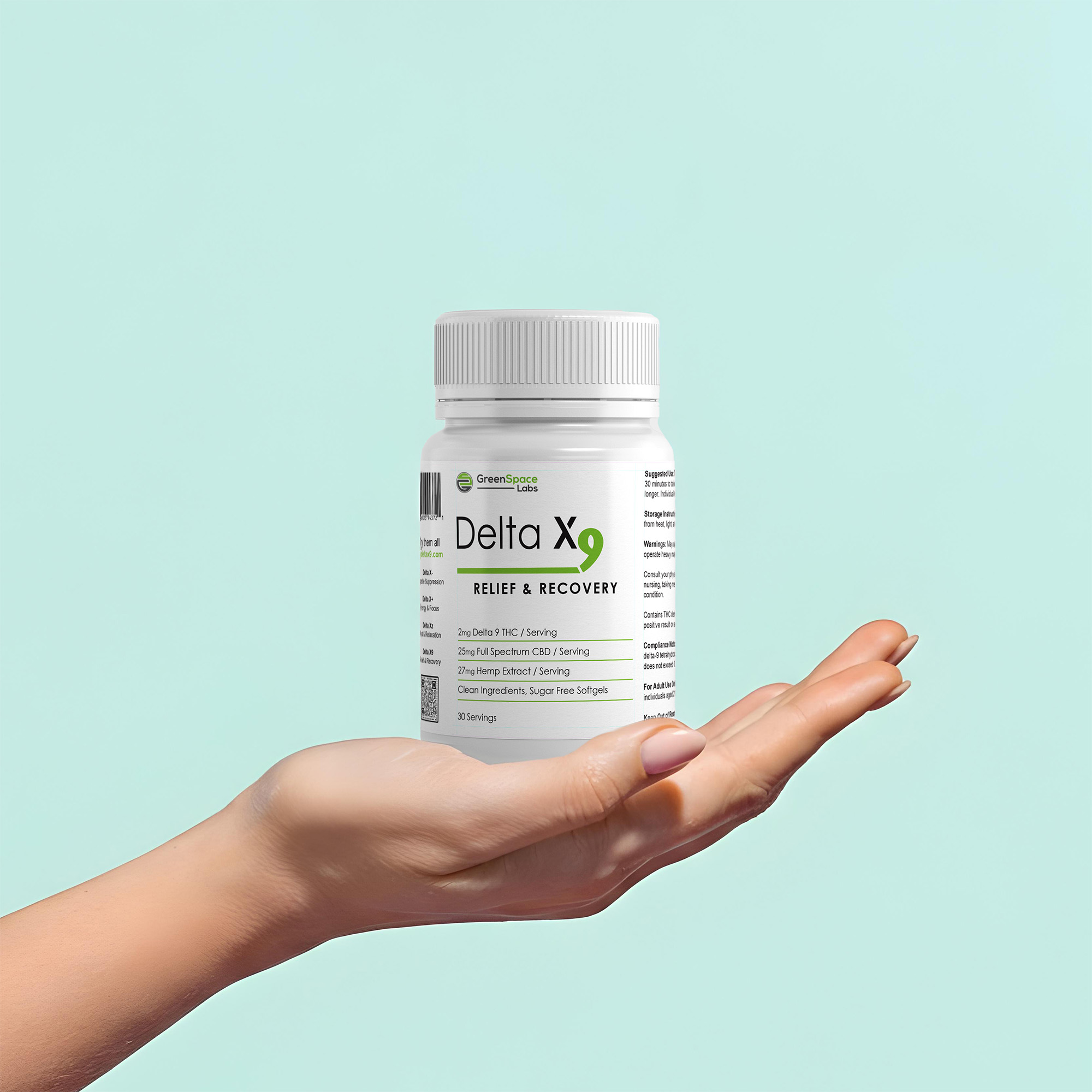
Get 40% OFF your first DeltaX order when you enter your email below and grab your exclusive code.